
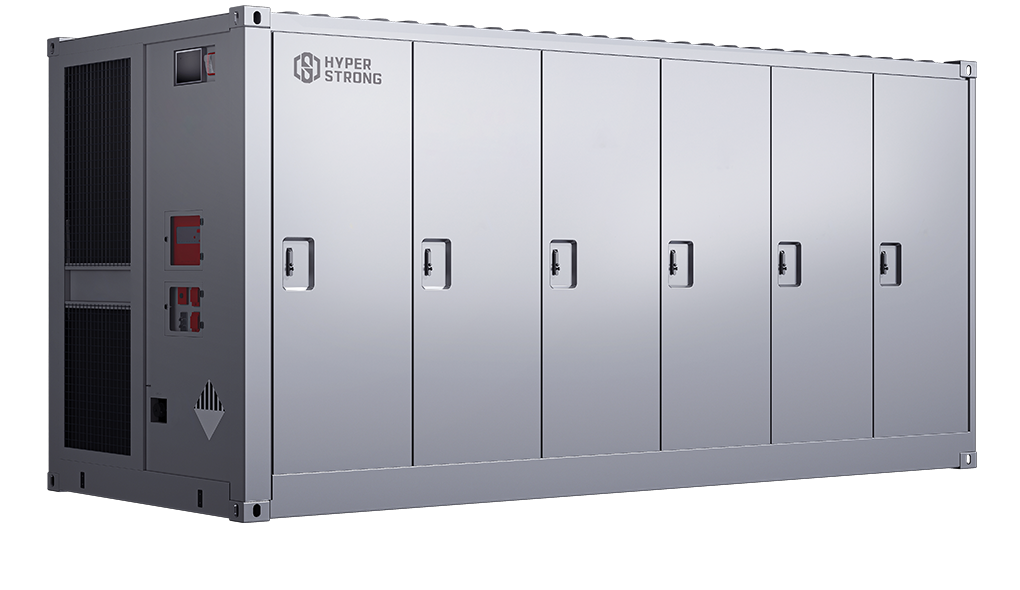
 Enhancing Stability with utility scale battery storage
Microgrid resilience depends heavily on the ability to isolate from the main grid during disturbances while maintaining consistent voltage and frequency. Energy storage provides rapid response capabilities and, when paired with appropriate grid-forming controls, can provide virtual inertia to help stabilize localized networks. Developers realize that investing in high-capacity assets prevents costly downtime and equipment damage. By utilizing advanced power conversion technologies, operators manage localized energy flows with unprecedented precision, ensuring that critical loads remain energized during challenging grid events. Furthermore, the integration of these systems allows facilities to participate in demand-response programs, generating additional revenue streams while simultaneously improving grid stability. Such financial mechanisms make the transition to localized energy storage more attractive for large-scale operations seeking economic and operational benefits.
Engineers focus on sizing and duration to meet specific site requirements, balancing discharge capacity with long-term durability. These storage assets act as the primary defense against unexpected fluctuations, providing essential frequency regulation services. Modern controllers allow for autonomous operation, enabling a smooth transition into islanded mode when external support fails. This capability remains a cornerstone for facilities that cannot afford any lapse in power, such as data centers and specialized manufacturing plants where consistency is mandatory.
Integrating Renewable Resources Effectively
Intermittent sources like solar and wind often create supply imbalances that threaten the viability of independent power systems. By integrating storage, operators buffer the variability inherent in renewable generation, smoothing the output profile. This approach maximizes the utilization of local clean energy, reducing dependence on fossil fuel backup generators. As storage costs continue to decline, project feasibility improves, allowing for larger deployments that support complex energy management strategies.
Effective integration requires specialized software that monitors load patterns and weather forecasts to optimize charge cycles. By predicting generation dips, systems automatically adjust their discharge behavior, maintaining balance without manual intervention. This smart management prevents unnecessary grid strain, fostering a sustainable ecosystem where renewable energy flourishes. These configurations offer clear advantages for site managers aiming to meet strict emission reduction targets while maintaining consistent operational uptime through reliable power delivery and efficient resource utilization throughout the day.
Operational Benefits for Commercial Facilities
Commercial and industrial operators face significant financial risks associated with power instability and peak demand charges. Deploying large-scale storage allows these facilities to perform peak shaving, shifting energy usage to periods when costs are lower. This strategy can reduce peak-related energy costs and support the economic case for large-scale storage deployment. Furthermore, the ability to store excess power generated onsite enhances energy independence and provides a critical cushion against market price volatility.
System longevity remains a primary concern for procurement teams evaluating long-term infrastructure. They rely on established expertise to ensure that components operate efficiently over decades of service. By partnering with experienced integrators, project owners mitigate technical risks associated with complex hardware integration. Proper thermal management and advanced battery chemistry selection ensure that these systems deliver consistent performance, even in demanding environments, providing reliable service for every connected facility regardless of site conditions.
Strategic Infrastructure Deployment
Scaling energy infrastructure requires careful planning, starting from site assessment through long-term maintenance protocols. Deploying utility scale battery energy storage systems necessitates a comprehensive analysis of grid requirements and regulatory compliance frameworks. EPC contractors work closely with developers to design layouts that maximize space while ensuring safety and accessibility. This collaborative process identifies potential bottlenecks early, streamlining the installation phase and ensuring that projects reach commercial operation on schedule.
Future-proofing energy assets involves identifying architectures that allow for modular expansion as power needs evolve. As energy demands grow, operators can add capacity without replacing existing systems, protecting earlier capital commitments. This flexibility proves essential in rapidly changing market conditions where energy requirements remain dynamic. They provide the necessary support to keep systems current with evolving technology, helping operators stay competitive and resilient in a complex global energy landscape while maintaining the highest safety protocols available. This proactive planning reduces long-term maintenance costs and minimizes the likelihood of unplanned outages, ensuring that energy assets perform as expected for their entire lifecycle. Developers must prioritize these factors to maintain the highest levels of service continuity.
Conclusion
Resilient microgrids represent the future of reliable power delivery, blending renewable generation with intelligent storage technology. By carefully implementing utility scale battery energy storage systems, developers solve critical stability challenges while enhancing long-term operational performance. Success requires picking proven technologies and expert partners who deliver scalable solutions. As the industry moves toward deeper decarbonization, HyperStrong will continue to serve as the backbone for energy independence and grid reliability across the globe.
HyperStrong is a global energy storage system (ESS) integrator providing one-stop solutions for utility-scale, commercial, and industrial applications. Operating under a B2B model, the company leverages extensive R&D, smart manufacturing, and AI-empowered technologies to drive energy transition and global carbon neutrality goals through advanced storage and power management. They possess the knowledge that every project requires unique attention to detail, ensuring that energy assets meet the highest standards of safety. HyperStrong remains committed to supporting global energy projects through their dedicated technical support teams while focusing on the deployment of robust utility scale battery storage to secure power for the next century of growth.
Enhancing Stability with utility scale battery storage
Microgrid resilience depends heavily on the ability to isolate from the main grid during disturbances while maintaining consistent voltage and frequency. Energy storage provides rapid response capabilities and, when paired with appropriate grid-forming controls, can provide virtual inertia to help stabilize localized networks. Developers realize that investing in high-capacity assets prevents costly downtime and equipment damage. By utilizing advanced power conversion technologies, operators manage localized energy flows with unprecedented precision, ensuring that critical loads remain energized during challenging grid events. Furthermore, the integration of these systems allows facilities to participate in demand-response programs, generating additional revenue streams while simultaneously improving grid stability. Such financial mechanisms make the transition to localized energy storage more attractive for large-scale operations seeking economic and operational benefits.
Engineers focus on sizing and duration to meet specific site requirements, balancing discharge capacity with long-term durability. These storage assets act as the primary defense against unexpected fluctuations, providing essential frequency regulation services. Modern controllers allow for autonomous operation, enabling a smooth transition into islanded mode when external support fails. This capability remains a cornerstone for facilities that cannot afford any lapse in power, such as data centers and specialized manufacturing plants where consistency is mandatory.
Integrating Renewable Resources Effectively
Intermittent sources like solar and wind often create supply imbalances that threaten the viability of independent power systems. By integrating storage, operators buffer the variability inherent in renewable generation, smoothing the output profile. This approach maximizes the utilization of local clean energy, reducing dependence on fossil fuel backup generators. As storage costs continue to decline, project feasibility improves, allowing for larger deployments that support complex energy management strategies.
Effective integration requires specialized software that monitors load patterns and weather forecasts to optimize charge cycles. By predicting generation dips, systems automatically adjust their discharge behavior, maintaining balance without manual intervention. This smart management prevents unnecessary grid strain, fostering a sustainable ecosystem where renewable energy flourishes. These configurations offer clear advantages for site managers aiming to meet strict emission reduction targets while maintaining consistent operational uptime through reliable power delivery and efficient resource utilization throughout the day.
Operational Benefits for Commercial Facilities
Commercial and industrial operators face significant financial risks associated with power instability and peak demand charges. Deploying large-scale storage allows these facilities to perform peak shaving, shifting energy usage to periods when costs are lower. This strategy can reduce peak-related energy costs and support the economic case for large-scale storage deployment. Furthermore, the ability to store excess power generated onsite enhances energy independence and provides a critical cushion against market price volatility.
System longevity remains a primary concern for procurement teams evaluating long-term infrastructure. They rely on established expertise to ensure that components operate efficiently over decades of service. By partnering with experienced integrators, project owners mitigate technical risks associated with complex hardware integration. Proper thermal management and advanced battery chemistry selection ensure that these systems deliver consistent performance, even in demanding environments, providing reliable service for every connected facility regardless of site conditions.
Strategic Infrastructure Deployment
Scaling energy infrastructure requires careful planning, starting from site assessment through long-term maintenance protocols. Deploying utility scale battery energy storage systems necessitates a comprehensive analysis of grid requirements and regulatory compliance frameworks. EPC contractors work closely with developers to design layouts that maximize space while ensuring safety and accessibility. This collaborative process identifies potential bottlenecks early, streamlining the installation phase and ensuring that projects reach commercial operation on schedule.
Future-proofing energy assets involves identifying architectures that allow for modular expansion as power needs evolve. As energy demands grow, operators can add capacity without replacing existing systems, protecting earlier capital commitments. This flexibility proves essential in rapidly changing market conditions where energy requirements remain dynamic. They provide the necessary support to keep systems current with evolving technology, helping operators stay competitive and resilient in a complex global energy landscape while maintaining the highest safety protocols available. This proactive planning reduces long-term maintenance costs and minimizes the likelihood of unplanned outages, ensuring that energy assets perform as expected for their entire lifecycle. Developers must prioritize these factors to maintain the highest levels of service continuity.
Conclusion
Resilient microgrids represent the future of reliable power delivery, blending renewable generation with intelligent storage technology. By carefully implementing utility scale battery energy storage systems, developers solve critical stability challenges while enhancing long-term operational performance. Success requires picking proven technologies and expert partners who deliver scalable solutions. As the industry moves toward deeper decarbonization, HyperStrong will continue to serve as the backbone for energy independence and grid reliability across the globe.
HyperStrong is a global energy storage system (ESS) integrator providing one-stop solutions for utility-scale, commercial, and industrial applications. Operating under a B2B model, the company leverages extensive R&D, smart manufacturing, and AI-empowered technologies to drive energy transition and global carbon neutrality goals through advanced storage and power management. They possess the knowledge that every project requires unique attention to detail, ensuring that energy assets meet the highest standards of safety. HyperStrong remains committed to supporting global energy projects through their dedicated technical support teams while focusing on the deployment of robust utility scale battery storage to secure power for the next century of growth.
Utility Scale Battery Storage for Microgrid Resilience
Energy infrastructure requires robust solutions to maintain stability amid increasing reliance on intermittent renewable generation. Modern grid architectures demand sophisticated, reliable assets that provide power quality and backup capacity during outages. By deploying utility scale battery energy storage systems, project developers gain the flexibility needed to balance supply and demand effectively. These configurations ensure that microgrids remain functional, protecting vital operations across industrial and commercial landscapes while integrating clean power sources seamlessly.
Enhancing Stability with utility scale battery storage
Microgrid resilience depends heavily on the ability to isolate from the main grid during disturbances while maintaining consistent voltage and frequency. Energy storage provides rapid response capabilities and, when paired with appropriate grid-forming controls, can provide virtual inertia to help stabilize localized networks. Developers realize that investing in high-capacity assets prevents costly downtime and equipment damage. By utilizing advanced power conversion technologies, operators manage localized energy flows with unprecedented precision, ensuring that critical loads remain energized during challenging grid events. Furthermore, the integration of these systems allows facilities to participate in demand-response programs, generating additional revenue streams while simultaneously improving grid stability. Such financial mechanisms make the transition to localized energy storage more attractive for large-scale operations seeking economic and operational benefits.
Engineers focus on sizing and duration to meet specific site requirements, balancing discharge capacity with long-term durability. These storage assets act as the primary defense against unexpected fluctuations, providing essential frequency regulation services. Modern controllers allow for autonomous operation, enabling a smooth transition into islanded mode when external support fails. This capability remains a cornerstone for facilities that cannot afford any lapse in power, such as data centers and specialized manufacturing plants where consistency is mandatory.
Integrating Renewable Resources Effectively
Intermittent sources like solar and wind often create supply imbalances that threaten the viability of independent power systems. By integrating storage, operators buffer the variability inherent in renewable generation, smoothing the output profile. This approach maximizes the utilization of local clean energy, reducing dependence on fossil fuel backup generators. As storage costs continue to decline, project feasibility improves, allowing for larger deployments that support complex energy management strategies.
Effective integration requires specialized software that monitors load patterns and weather forecasts to optimize charge cycles. By predicting generation dips, systems automatically adjust their discharge behavior, maintaining balance without manual intervention. This smart management prevents unnecessary grid strain, fostering a sustainable ecosystem where renewable energy flourishes. These configurations offer clear advantages for site managers aiming to meet strict emission reduction targets while maintaining consistent operational uptime through reliable power delivery and efficient resource utilization throughout the day.
Operational Benefits for Commercial Facilities
Commercial and industrial operators face significant financial risks associated with power instability and peak demand charges. Deploying large-scale storage allows these facilities to perform peak shaving, shifting energy usage to periods when costs are lower. This strategy can reduce peak-related energy costs and support the economic case for large-scale storage deployment. Furthermore, the ability to store excess power generated onsite enhances energy independence and provides a critical cushion against market price volatility.
System longevity remains a primary concern for procurement teams evaluating long-term infrastructure. They rely on established expertise to ensure that components operate efficiently over decades of service. By partnering with experienced integrators, project owners mitigate technical risks associated with complex hardware integration. Proper thermal management and advanced battery chemistry selection ensure that these systems deliver consistent performance, even in demanding environments, providing reliable service for every connected facility regardless of site conditions.
Strategic Infrastructure Deployment
Scaling energy infrastructure requires careful planning, starting from site assessment through long-term maintenance protocols. Deploying utility scale battery energy storage systems necessitates a comprehensive analysis of grid requirements and regulatory compliance frameworks. EPC contractors work closely with developers to design layouts that maximize space while ensuring safety and accessibility. This collaborative process identifies potential bottlenecks early, streamlining the installation phase and ensuring that projects reach commercial operation on schedule.
Future-proofing energy assets involves identifying architectures that allow for modular expansion as power needs evolve. As energy demands grow, operators can add capacity without replacing existing systems, protecting earlier capital commitments. This flexibility proves essential in rapidly changing market conditions where energy requirements remain dynamic. They provide the necessary support to keep systems current with evolving technology, helping operators stay competitive and resilient in a complex global energy landscape while maintaining the highest safety protocols available. This proactive planning reduces long-term maintenance costs and minimizes the likelihood of unplanned outages, ensuring that energy assets perform as expected for their entire lifecycle. Developers must prioritize these factors to maintain the highest levels of service continuity.
Conclusion
Resilient microgrids represent the future of reliable power delivery, blending renewable generation with intelligent storage technology. By carefully implementing utility scale battery energy storage systems, developers solve critical stability challenges while enhancing long-term operational performance. Success requires picking proven technologies and expert partners who deliver scalable solutions. As the industry moves toward deeper decarbonization, HyperStrong will continue to serve as the backbone for energy independence and grid reliability across the globe.
HyperStrong is a global energy storage system (ESS) integrator providing one-stop solutions for utility-scale, commercial, and industrial applications. Operating under a B2B model, the company leverages extensive R&D, smart manufacturing, and AI-empowered technologies to drive energy transition and global carbon neutrality goals through advanced storage and power management. They possess the knowledge that every project requires unique attention to detail, ensuring that energy assets meet the highest standards of safety. HyperStrong remains committed to supporting global energy projects through their dedicated technical support teams while focusing on the deployment of robust utility scale battery storage to secure power for the next century of growth.
Enhancing Stability with utility scale battery storage
Microgrid resilience depends heavily on the ability to isolate from the main grid during disturbances while maintaining consistent voltage and frequency. Energy storage provides rapid response capabilities and, when paired with appropriate grid-forming controls, can provide virtual inertia to help stabilize localized networks. Developers realize that investing in high-capacity assets prevents costly downtime and equipment damage. By utilizing advanced power conversion technologies, operators manage localized energy flows with unprecedented precision, ensuring that critical loads remain energized during challenging grid events. Furthermore, the integration of these systems allows facilities to participate in demand-response programs, generating additional revenue streams while simultaneously improving grid stability. Such financial mechanisms make the transition to localized energy storage more attractive for large-scale operations seeking economic and operational benefits.
Engineers focus on sizing and duration to meet specific site requirements, balancing discharge capacity with long-term durability. These storage assets act as the primary defense against unexpected fluctuations, providing essential frequency regulation services. Modern controllers allow for autonomous operation, enabling a smooth transition into islanded mode when external support fails. This capability remains a cornerstone for facilities that cannot afford any lapse in power, such as data centers and specialized manufacturing plants where consistency is mandatory.
Integrating Renewable Resources Effectively
Intermittent sources like solar and wind often create supply imbalances that threaten the viability of independent power systems. By integrating storage, operators buffer the variability inherent in renewable generation, smoothing the output profile. This approach maximizes the utilization of local clean energy, reducing dependence on fossil fuel backup generators. As storage costs continue to decline, project feasibility improves, allowing for larger deployments that support complex energy management strategies.
Effective integration requires specialized software that monitors load patterns and weather forecasts to optimize charge cycles. By predicting generation dips, systems automatically adjust their discharge behavior, maintaining balance without manual intervention. This smart management prevents unnecessary grid strain, fostering a sustainable ecosystem where renewable energy flourishes. These configurations offer clear advantages for site managers aiming to meet strict emission reduction targets while maintaining consistent operational uptime through reliable power delivery and efficient resource utilization throughout the day.
Operational Benefits for Commercial Facilities
Commercial and industrial operators face significant financial risks associated with power instability and peak demand charges. Deploying large-scale storage allows these facilities to perform peak shaving, shifting energy usage to periods when costs are lower. This strategy can reduce peak-related energy costs and support the economic case for large-scale storage deployment. Furthermore, the ability to store excess power generated onsite enhances energy independence and provides a critical cushion against market price volatility.
System longevity remains a primary concern for procurement teams evaluating long-term infrastructure. They rely on established expertise to ensure that components operate efficiently over decades of service. By partnering with experienced integrators, project owners mitigate technical risks associated with complex hardware integration. Proper thermal management and advanced battery chemistry selection ensure that these systems deliver consistent performance, even in demanding environments, providing reliable service for every connected facility regardless of site conditions.
Strategic Infrastructure Deployment
Scaling energy infrastructure requires careful planning, starting from site assessment through long-term maintenance protocols. Deploying utility scale battery energy storage systems necessitates a comprehensive analysis of grid requirements and regulatory compliance frameworks. EPC contractors work closely with developers to design layouts that maximize space while ensuring safety and accessibility. This collaborative process identifies potential bottlenecks early, streamlining the installation phase and ensuring that projects reach commercial operation on schedule.
Future-proofing energy assets involves identifying architectures that allow for modular expansion as power needs evolve. As energy demands grow, operators can add capacity without replacing existing systems, protecting earlier capital commitments. This flexibility proves essential in rapidly changing market conditions where energy requirements remain dynamic. They provide the necessary support to keep systems current with evolving technology, helping operators stay competitive and resilient in a complex global energy landscape while maintaining the highest safety protocols available. This proactive planning reduces long-term maintenance costs and minimizes the likelihood of unplanned outages, ensuring that energy assets perform as expected for their entire lifecycle. Developers must prioritize these factors to maintain the highest levels of service continuity.
Conclusion
Resilient microgrids represent the future of reliable power delivery, blending renewable generation with intelligent storage technology. By carefully implementing utility scale battery energy storage systems, developers solve critical stability challenges while enhancing long-term operational performance. Success requires picking proven technologies and expert partners who deliver scalable solutions. As the industry moves toward deeper decarbonization, HyperStrong will continue to serve as the backbone for energy independence and grid reliability across the globe.
HyperStrong is a global energy storage system (ESS) integrator providing one-stop solutions for utility-scale, commercial, and industrial applications. Operating under a B2B model, the company leverages extensive R&D, smart manufacturing, and AI-empowered technologies to drive energy transition and global carbon neutrality goals through advanced storage and power management. They possess the knowledge that every project requires unique attention to detail, ensuring that energy assets meet the highest standards of safety. HyperStrong remains committed to supporting global energy projects through their dedicated technical support teams while focusing on the deployment of robust utility scale battery storage to secure power for the next century of growth.