
Enclosure assembly plays an important role in the manufacturing of solar pump inverters designed for outdoor environments. Dust, moisture, temperature changes, and prolonged operation can affect electrical components when housing protection is inadequate.
Unlike indoor equipment, outdoor inverters require careful sealing, component positioning, and thermal management. Manufacturers must consider how enclosure materials, fastening methods, and cable connections work together. These assembly details influence equipment protection, installation requirements, and maintenance needs in agricultural water pumping systems.
Enclosure Materials and Structural Preparation
The assembly process begins with selecting housing materials suitable for outdoor conditions. Metal and engineered polymer enclosures offer different characteristics in mechanical strength, corrosion resistance, weight, and thermal performance.
Before assembly, technicians should inspect housing surfaces for deformation, scratches, and uneven contact areas. Damaged surfaces can interfere with sealing components and reduce the effectiveness of enclosure joints.
Mounting points and fastening holes also require inspection. Accurate alignment helps distribute mechanical pressure across the housing and prevents unnecessary stress on internal electrical components.
Material selection should reflect the installation environment. Agricultural sites with high humidity, dust, or temperature fluctuations may require additional consideration of surface protection and housing durability.
How Sealing Components Are Installed
Sealing procedures are essential when manufacturing an outdoor solar inverter. Gaskets, protective covers, and cable glands help prevent environmental contaminants from reaching sensitive electrical components.
During assembly, technicians position sealing gaskets along designated housing grooves. The gasket should remain continuous and properly seated, without twisting or excessive stretching.
Housing fasteners are then tightened according to the specified sequence and torque requirements. Uneven tightening may create inconsistent gasket compression, particularly around enclosure corners.
Cable entry openings require suitable sealing accessories. Cable glands must match the cable diameter and installation requirements. Proper installation helps maintain enclosure protection after electrical connections are completed.
Internal Component Mounting and Wiring Arrangement
Internal assembly requires a planned layout for power modules, control boards, terminals, and electrical wiring. Component positioning affects electrical clearance, heat distribution, and accessibility during inspection.
In a solar pump inverter factory, technicians should follow defined mounting procedures to reduce variations between production units. Secure fastening helps limit component movement during transportation and operation.
Wiring paths should avoid sharp edges, moving parts, and areas exposed to excessive heat. Suitable cable supports and routing distances help protect insulation and reduce mechanical strain.
Electrical connections also need sufficient working space. Organized terminal arrangements make factory inspection easier and support technicians during installation or maintenance.
Thermal Management Within Protective Housings
Thermal management presents a particular challenge in sealed outdoor enclosures. Power electronics generate heat during operation, while direct sunlight can increase the temperature around the housing.
The enclosure structure of a high efficiency solar inverter should accommodate suitable heat transfer paths. Internal component spacing and thermal contact surfaces influence how heat moves through the assembly.
Depending on the design, manufacturers may use heat sinks or thermally conductive mounting structures. These components must be installed with appropriate mechanical contact to support their intended function.
Thermal evaluation should consider operating loads, ambient temperatures, and installation clearance. These factors help engineers determine whether the enclosure arrangement is suitable for the expected working environment.
Outdoor Protection Requirements and Product Integration
Environmental protection ratings provide useful references when evaluating enclosure construction. IP65 indicates dust-tight protection and resistance to water jets under defined testing conditions.
These requirements are relevant to solar pumping equipment installed in exposed agricultural locations. Manufacturers must coordinate housing joints, cable entries, and external mounting structures to maintain the intended protection level.
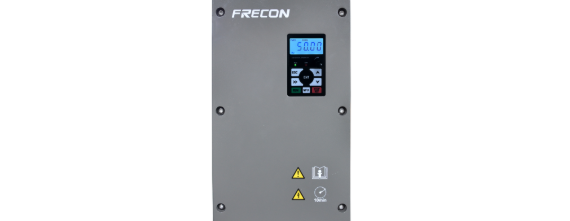
For example, FRECON offers the PV380 Series Solar Pump Inverter with an IP65 design suitable for outdoor installation. Its operating temperature range is 10–60°C.
The series supports asynchronous motors and permanent magnet synchronous motors. Its advanced MPPT algorithms reach 99% efficiency, and the inverter can provide larger water yield under the same conditions.
It also supports solar DC input, power grid AC input, and automatic DC/AC switching. These electrical functions require suitable internal component arrangements and connection access within the enclosure.
Assembly Inspection and Protection Testing
Enclosure inspection should begin before the housing is fully closed. Technicians can examine gasket placement, internal wiring, fastening points, and cable entry components.
After assembly, manufacturers should verify that housing joints are properly secured. Visual inspection can identify displaced seals, damaged surfaces, and incorrectly installed accessories.
Protection testing should follow the applicable requirements for the declared enclosure rating. Relevant procedures may include dust ingress and water resistance tests under controlled conditions.
Manufacturers should also maintain inspection records for production batches. These documents support quality control and help identify recurring assembly problems.
Installation and Maintenance Considerations
Enclosure assembly affects how technicians install and maintain outdoor pumping equipment. Mounting brackets, cable entry positions, and terminal access should accommodate practical field requirements.
When selecting a high efficiency solar inverter, project teams should examine installation instructions alongside electrical specifications. Suitable mounting positions and cable routing arrangements help preserve the enclosure’s intended protection.
An outdoor solar inverter may also require inspection after installation. Technicians should check cable glands, external fasteners, and housing surfaces for visible damage or looseness.
For manufacturers such as FRECON, product documentation can help distributors and installers understand operating conditions and installation requirements. Clear technical information also supports equipment selection for different pumping projects.
What Buyers Should Examine Before Procurement
Buyers evaluating equipment from a solar pump inverter factory should examine enclosure construction rather than relying solely on electrical specifications. Sealing methods, internal mounting arrangements, thermal design, and protection testing deserve particular attention.
Well-documented assembly procedures provide a useful basis for comparing equipment. By reviewing enclosure protection, installation requirements, and inspection records, procurement teams can make more informed decisions about outdoor solar pumping applications.