
 Many businesses continue operating existing storage systems without regularly evaluating their performance. However, outdated equipment, limited capacity, and reduced efficiency can prevent an energy container from meeting current energy demands.
Recognizing the right time for an upgrade can help organizations improve system reliability and prepare for future energy requirements. The following five signs indicate that an energy storage system may require modernization or replacement.
1. Reduced System Performance and Lower Efficiency
A noticeable decline in system performance is one of the clearest signs that an energy container requires an upgrade. Storage systems that cannot maintain previous charging efficiency or discharge performance may no longer provide the expected operational value.
Battery aging is a natural process that affects storage capacity over time. When batteries lose their ability to store and deliver energy effectively, businesses may experience shorter operating periods and increased energy management challenges.
Modern commercial battery storage systems are designed with advanced battery technologies and intelligent control features that improve energy utilization. Upgrading older systems can help organizations achieve more consistent performance and better match current electricity requirements.
A professional energy storage solution provider can evaluate system conditions and recommend improvements based on application needs. This assessment helps users determine whether maintenance, expansion, or complete replacement is the most suitable option.
2. Insufficient Capacity for Growing Energy Demands
Increasing electricity consumption is another important indicator that an energy container may need an upgrade. Facilities that expand production, add new equipment, or increase renewable energy generation often require greater storage capacity.
An older system may no longer provide enough energy support during peak demand periods. Limited capacity can reduce operational flexibility and prevent businesses from maximizing the benefits of stored electricity.
Modern commercial battery storage systems offer scalable designs that allow users to adapt storage capacity according to changing requirements. These solutions help businesses manage higher energy demands while maintaining reliable power availability.
Energy planning should consider both current consumption and future growth. Selecting a storage system with suitable capacity can help organizations accommodate future growth without immediately replacing the entire system.
3. Outdated Monitoring and Control Capabilities
Advanced monitoring technology has become a key feature of modern energy storage systems. Older energy containers with limited data visibility may create challenges for performance management and operational decision-making.
Intelligent monitoring platforms provide information about battery conditions, energy flow, and system status. Without these capabilities, users may struggle to identify performance issues before they affect daily operations.
A modern energy storage container may include local controls and support integration with external SCADA or EMS platforms, depending on its configuration. These technologies allow operators to manage energy resources more effectively and respond quickly to changing conditions.
Great Power develops energy storage products that include different system-level solutions for industrial and large-scale applications. The company provides storage technologies designed to support reliable energy management across various scenarios.
4. Increasing Maintenance Requirements and Safety Concerns
Frequent maintenance issues can indicate that an existing storage system is reaching the end of its practical service life. Regular repairs may increase operating costs and reduce overall system reliability.
Safety is another critical factor when evaluating whether to upgrade an energy container. Older systems may lack the latest protection features, monitoring technologies, or improved design standards available in newer solutions.
Modern commercial battery storage systems focus on improving operational safety through advanced battery management and system protection technologies. These improvements help reduce potential risks and support more stable long-term operation.
Organizations should regularly review storage system conditions rather than waiting for major failures. Early upgrades can help prevent unexpected downtime and provide stronger support for critical energy applications.
5. The Existing System Cannot Support New Energy Applications
Changes in energy strategy often create the need for storage upgrades. Companies adding renewable energy sources, improving energy independence, or developing smarter power management plans may find that existing systems cannot support new objectives.
Energy storage requirements are changing as more businesses adopt renewable integration and flexible electricity management strategies. Older systems may not have the compatibility needed for advanced applications.
A new energy container can provide improved flexibility by supporting updated energy architectures and expanded operational functions. This allows organizations to connect storage technology with broader energy management goals.
Great Power provides separate utility-scale and C&I energy storage products for different project requirements. The company focuses on developing systems that support different customer requirements through integrated storage technologies.
How to Choose the Right Upgrade Solution
Selecting an upgrade solution requires careful evaluation of system performance, capacity requirements, safety features, and future energy plans. Businesses should consider whether they need additional storage capacity, improved controls, or a completely redesigned system.
The right upgrade approach depends on the specific application environment. Industrial facilities, renewable energy projects, and commercial buildings may have different priorities when selecting new storage technologies.
A reliable Great Power battery solution can support organizations looking for improved energy performance and more flexible storage capabilities. Battery quality, system compatibility, and intelligent management functions all influence long-term results.
Evaluating these factors helps businesses make informed decisions and avoid investing in solutions that cannot meet future requirements.
Conclusion
An energy container upgrade becomes necessary when performance decreases, capacity becomes insufficient, monitoring functions are outdated, maintenance demands increase, or new energy goals cannot be achieved.
Modern storage technologies provide improved efficiency, stronger safety features, and greater flexibility for changing energy environments. Businesses that recognize these warning signs can take action before outdated systems create operational limitations.
The development of advanced storage solutions will continue helping industries improve energy management and reliability. Companies that invest in suitable upgrades can build stronger energy infrastructure and better prepare for future power challenges.
Many businesses continue operating existing storage systems without regularly evaluating their performance. However, outdated equipment, limited capacity, and reduced efficiency can prevent an energy container from meeting current energy demands.
Recognizing the right time for an upgrade can help organizations improve system reliability and prepare for future energy requirements. The following five signs indicate that an energy storage system may require modernization or replacement.
1. Reduced System Performance and Lower Efficiency
A noticeable decline in system performance is one of the clearest signs that an energy container requires an upgrade. Storage systems that cannot maintain previous charging efficiency or discharge performance may no longer provide the expected operational value.
Battery aging is a natural process that affects storage capacity over time. When batteries lose their ability to store and deliver energy effectively, businesses may experience shorter operating periods and increased energy management challenges.
Modern commercial battery storage systems are designed with advanced battery technologies and intelligent control features that improve energy utilization. Upgrading older systems can help organizations achieve more consistent performance and better match current electricity requirements.
A professional energy storage solution provider can evaluate system conditions and recommend improvements based on application needs. This assessment helps users determine whether maintenance, expansion, or complete replacement is the most suitable option.
2. Insufficient Capacity for Growing Energy Demands
Increasing electricity consumption is another important indicator that an energy container may need an upgrade. Facilities that expand production, add new equipment, or increase renewable energy generation often require greater storage capacity.
An older system may no longer provide enough energy support during peak demand periods. Limited capacity can reduce operational flexibility and prevent businesses from maximizing the benefits of stored electricity.
Modern commercial battery storage systems offer scalable designs that allow users to adapt storage capacity according to changing requirements. These solutions help businesses manage higher energy demands while maintaining reliable power availability.
Energy planning should consider both current consumption and future growth. Selecting a storage system with suitable capacity can help organizations accommodate future growth without immediately replacing the entire system.
3. Outdated Monitoring and Control Capabilities
Advanced monitoring technology has become a key feature of modern energy storage systems. Older energy containers with limited data visibility may create challenges for performance management and operational decision-making.
Intelligent monitoring platforms provide information about battery conditions, energy flow, and system status. Without these capabilities, users may struggle to identify performance issues before they affect daily operations.
A modern energy storage container may include local controls and support integration with external SCADA or EMS platforms, depending on its configuration. These technologies allow operators to manage energy resources more effectively and respond quickly to changing conditions.
Great Power develops energy storage products that include different system-level solutions for industrial and large-scale applications. The company provides storage technologies designed to support reliable energy management across various scenarios.
4. Increasing Maintenance Requirements and Safety Concerns
Frequent maintenance issues can indicate that an existing storage system is reaching the end of its practical service life. Regular repairs may increase operating costs and reduce overall system reliability.
Safety is another critical factor when evaluating whether to upgrade an energy container. Older systems may lack the latest protection features, monitoring technologies, or improved design standards available in newer solutions.
Modern commercial battery storage systems focus on improving operational safety through advanced battery management and system protection technologies. These improvements help reduce potential risks and support more stable long-term operation.
Organizations should regularly review storage system conditions rather than waiting for major failures. Early upgrades can help prevent unexpected downtime and provide stronger support for critical energy applications.
5. The Existing System Cannot Support New Energy Applications
Changes in energy strategy often create the need for storage upgrades. Companies adding renewable energy sources, improving energy independence, or developing smarter power management plans may find that existing systems cannot support new objectives.
Energy storage requirements are changing as more businesses adopt renewable integration and flexible electricity management strategies. Older systems may not have the compatibility needed for advanced applications.
A new energy container can provide improved flexibility by supporting updated energy architectures and expanded operational functions. This allows organizations to connect storage technology with broader energy management goals.
Great Power provides separate utility-scale and C&I energy storage products for different project requirements. The company focuses on developing systems that support different customer requirements through integrated storage technologies.
How to Choose the Right Upgrade Solution
Selecting an upgrade solution requires careful evaluation of system performance, capacity requirements, safety features, and future energy plans. Businesses should consider whether they need additional storage capacity, improved controls, or a completely redesigned system.
The right upgrade approach depends on the specific application environment. Industrial facilities, renewable energy projects, and commercial buildings may have different priorities when selecting new storage technologies.
A reliable Great Power battery solution can support organizations looking for improved energy performance and more flexible storage capabilities. Battery quality, system compatibility, and intelligent management functions all influence long-term results.
Evaluating these factors helps businesses make informed decisions and avoid investing in solutions that cannot meet future requirements.
Conclusion
An energy container upgrade becomes necessary when performance decreases, capacity becomes insufficient, monitoring functions are outdated, maintenance demands increase, or new energy goals cannot be achieved.
Modern storage technologies provide improved efficiency, stronger safety features, and greater flexibility for changing energy environments. Businesses that recognize these warning signs can take action before outdated systems create operational limitations.
The development of advanced storage solutions will continue helping industries improve energy management and reliability. Companies that invest in suitable upgrades can build stronger energy infrastructure and better prepare for future power challenges.
5 Signs You Need to Upgrade Your Energy Containers
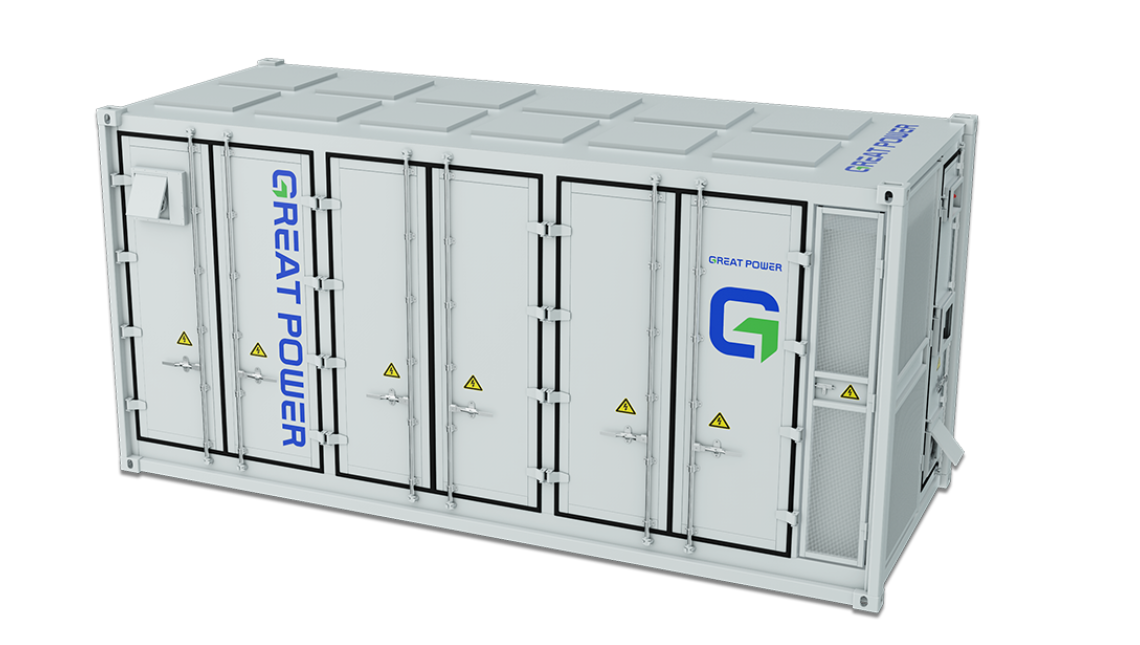
Energy containers have become an important solution for large-scale electricity management, renewable energy integration, and industrial power applications. These systems help store electricity, improve energy flexibility, and support stable operations in environments that require dependable power resources.
Many businesses continue operating existing storage systems without regularly evaluating their performance. However, outdated equipment, limited capacity, and reduced efficiency can prevent an energy container from meeting current energy demands.
Recognizing the right time for an upgrade can help organizations improve system reliability and prepare for future energy requirements. The following five signs indicate that an energy storage system may require modernization or replacement.
1. Reduced System Performance and Lower Efficiency
A noticeable decline in system performance is one of the clearest signs that an energy container requires an upgrade. Storage systems that cannot maintain previous charging efficiency or discharge performance may no longer provide the expected operational value.
Battery aging is a natural process that affects storage capacity over time. When batteries lose their ability to store and deliver energy effectively, businesses may experience shorter operating periods and increased energy management challenges.
Modern commercial battery storage systems are designed with advanced battery technologies and intelligent control features that improve energy utilization. Upgrading older systems can help organizations achieve more consistent performance and better match current electricity requirements.
A professional energy storage solution provider can evaluate system conditions and recommend improvements based on application needs. This assessment helps users determine whether maintenance, expansion, or complete replacement is the most suitable option.
2. Insufficient Capacity for Growing Energy Demands
Increasing electricity consumption is another important indicator that an energy container may need an upgrade. Facilities that expand production, add new equipment, or increase renewable energy generation often require greater storage capacity.
An older system may no longer provide enough energy support during peak demand periods. Limited capacity can reduce operational flexibility and prevent businesses from maximizing the benefits of stored electricity.
Modern commercial battery storage systems offer scalable designs that allow users to adapt storage capacity according to changing requirements. These solutions help businesses manage higher energy demands while maintaining reliable power availability.
Energy planning should consider both current consumption and future growth. Selecting a storage system with suitable capacity can help organizations accommodate future growth without immediately replacing the entire system.
3. Outdated Monitoring and Control Capabilities
Advanced monitoring technology has become a key feature of modern energy storage systems. Older energy containers with limited data visibility may create challenges for performance management and operational decision-making.
Intelligent monitoring platforms provide information about battery conditions, energy flow, and system status. Without these capabilities, users may struggle to identify performance issues before they affect daily operations.
A modern energy storage container may include local controls and support integration with external SCADA or EMS platforms, depending on its configuration. These technologies allow operators to manage energy resources more effectively and respond quickly to changing conditions.
Great Power develops energy storage products that include different system-level solutions for industrial and large-scale applications. The company provides storage technologies designed to support reliable energy management across various scenarios.
4. Increasing Maintenance Requirements and Safety Concerns
Frequent maintenance issues can indicate that an existing storage system is reaching the end of its practical service life. Regular repairs may increase operating costs and reduce overall system reliability.
Safety is another critical factor when evaluating whether to upgrade an energy container. Older systems may lack the latest protection features, monitoring technologies, or improved design standards available in newer solutions.
Modern commercial battery storage systems focus on improving operational safety through advanced battery management and system protection technologies. These improvements help reduce potential risks and support more stable long-term operation.
Organizations should regularly review storage system conditions rather than waiting for major failures. Early upgrades can help prevent unexpected downtime and provide stronger support for critical energy applications.
5. The Existing System Cannot Support New Energy Applications
Changes in energy strategy often create the need for storage upgrades. Companies adding renewable energy sources, improving energy independence, or developing smarter power management plans may find that existing systems cannot support new objectives.
Energy storage requirements are changing as more businesses adopt renewable integration and flexible electricity management strategies. Older systems may not have the compatibility needed for advanced applications.
A new energy container can provide improved flexibility by supporting updated energy architectures and expanded operational functions. This allows organizations to connect storage technology with broader energy management goals.
Great Power provides separate utility-scale and C&I energy storage products for different project requirements. The company focuses on developing systems that support different customer requirements through integrated storage technologies.
How to Choose the Right Upgrade Solution
Selecting an upgrade solution requires careful evaluation of system performance, capacity requirements, safety features, and future energy plans. Businesses should consider whether they need additional storage capacity, improved controls, or a completely redesigned system.
The right upgrade approach depends on the specific application environment. Industrial facilities, renewable energy projects, and commercial buildings may have different priorities when selecting new storage technologies.
A reliable Great Power battery solution can support organizations looking for improved energy performance and more flexible storage capabilities. Battery quality, system compatibility, and intelligent management functions all influence long-term results.
Evaluating these factors helps businesses make informed decisions and avoid investing in solutions that cannot meet future requirements.
Conclusion
An energy container upgrade becomes necessary when performance decreases, capacity becomes insufficient, monitoring functions are outdated, maintenance demands increase, or new energy goals cannot be achieved.
Modern storage technologies provide improved efficiency, stronger safety features, and greater flexibility for changing energy environments. Businesses that recognize these warning signs can take action before outdated systems create operational limitations.
The development of advanced storage solutions will continue helping industries improve energy management and reliability. Companies that invest in suitable upgrades can build stronger energy infrastructure and better prepare for future power challenges.
Many businesses continue operating existing storage systems without regularly evaluating their performance. However, outdated equipment, limited capacity, and reduced efficiency can prevent an energy container from meeting current energy demands.
Recognizing the right time for an upgrade can help organizations improve system reliability and prepare for future energy requirements. The following five signs indicate that an energy storage system may require modernization or replacement.
1. Reduced System Performance and Lower Efficiency
A noticeable decline in system performance is one of the clearest signs that an energy container requires an upgrade. Storage systems that cannot maintain previous charging efficiency or discharge performance may no longer provide the expected operational value.
Battery aging is a natural process that affects storage capacity over time. When batteries lose their ability to store and deliver energy effectively, businesses may experience shorter operating periods and increased energy management challenges.
Modern commercial battery storage systems are designed with advanced battery technologies and intelligent control features that improve energy utilization. Upgrading older systems can help organizations achieve more consistent performance and better match current electricity requirements.
A professional energy storage solution provider can evaluate system conditions and recommend improvements based on application needs. This assessment helps users determine whether maintenance, expansion, or complete replacement is the most suitable option.
2. Insufficient Capacity for Growing Energy Demands
Increasing electricity consumption is another important indicator that an energy container may need an upgrade. Facilities that expand production, add new equipment, or increase renewable energy generation often require greater storage capacity.
An older system may no longer provide enough energy support during peak demand periods. Limited capacity can reduce operational flexibility and prevent businesses from maximizing the benefits of stored electricity.
Modern commercial battery storage systems offer scalable designs that allow users to adapt storage capacity according to changing requirements. These solutions help businesses manage higher energy demands while maintaining reliable power availability.
Energy planning should consider both current consumption and future growth. Selecting a storage system with suitable capacity can help organizations accommodate future growth without immediately replacing the entire system.
3. Outdated Monitoring and Control Capabilities
Advanced monitoring technology has become a key feature of modern energy storage systems. Older energy containers with limited data visibility may create challenges for performance management and operational decision-making.
Intelligent monitoring platforms provide information about battery conditions, energy flow, and system status. Without these capabilities, users may struggle to identify performance issues before they affect daily operations.
A modern energy storage container may include local controls and support integration with external SCADA or EMS platforms, depending on its configuration. These technologies allow operators to manage energy resources more effectively and respond quickly to changing conditions.
Great Power develops energy storage products that include different system-level solutions for industrial and large-scale applications. The company provides storage technologies designed to support reliable energy management across various scenarios.
4. Increasing Maintenance Requirements and Safety Concerns
Frequent maintenance issues can indicate that an existing storage system is reaching the end of its practical service life. Regular repairs may increase operating costs and reduce overall system reliability.
Safety is another critical factor when evaluating whether to upgrade an energy container. Older systems may lack the latest protection features, monitoring technologies, or improved design standards available in newer solutions.
Modern commercial battery storage systems focus on improving operational safety through advanced battery management and system protection technologies. These improvements help reduce potential risks and support more stable long-term operation.
Organizations should regularly review storage system conditions rather than waiting for major failures. Early upgrades can help prevent unexpected downtime and provide stronger support for critical energy applications.
5. The Existing System Cannot Support New Energy Applications
Changes in energy strategy often create the need for storage upgrades. Companies adding renewable energy sources, improving energy independence, or developing smarter power management plans may find that existing systems cannot support new objectives.
Energy storage requirements are changing as more businesses adopt renewable integration and flexible electricity management strategies. Older systems may not have the compatibility needed for advanced applications.
A new energy container can provide improved flexibility by supporting updated energy architectures and expanded operational functions. This allows organizations to connect storage technology with broader energy management goals.
Great Power provides separate utility-scale and C&I energy storage products for different project requirements. The company focuses on developing systems that support different customer requirements through integrated storage technologies.
How to Choose the Right Upgrade Solution
Selecting an upgrade solution requires careful evaluation of system performance, capacity requirements, safety features, and future energy plans. Businesses should consider whether they need additional storage capacity, improved controls, or a completely redesigned system.
The right upgrade approach depends on the specific application environment. Industrial facilities, renewable energy projects, and commercial buildings may have different priorities when selecting new storage technologies.
A reliable Great Power battery solution can support organizations looking for improved energy performance and more flexible storage capabilities. Battery quality, system compatibility, and intelligent management functions all influence long-term results.
Evaluating these factors helps businesses make informed decisions and avoid investing in solutions that cannot meet future requirements.
Conclusion
An energy container upgrade becomes necessary when performance decreases, capacity becomes insufficient, monitoring functions are outdated, maintenance demands increase, or new energy goals cannot be achieved.
Modern storage technologies provide improved efficiency, stronger safety features, and greater flexibility for changing energy environments. Businesses that recognize these warning signs can take action before outdated systems create operational limitations.
The development of advanced storage solutions will continue helping industries improve energy management and reliability. Companies that invest in suitable upgrades can build stronger energy infrastructure and better prepare for future power challenges.