
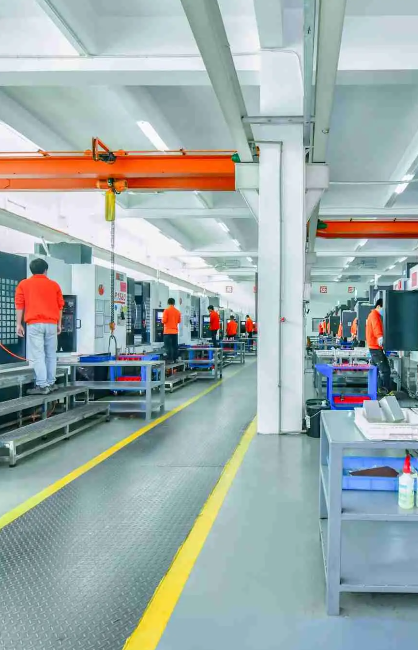
In today’s fast-paced manufacturing landscape, the demand for efficient production processes drives the need for rapid prototype tooling. This approach offers a streamlined method for creating tools and prototypes that expedite the development cycle. By integrating advanced technologies and design methodologies, companies can significantly reduce the time from concept to completion, ultimately enhancing their competitiveness in the market.
Accelerated Design Processes
Rapid prototype tooling facilitates an accelerated design process crucial for businesses aiming to adapt quickly to market changes. With methodologies like Design for Manufacturing (DfM), manufacturers can receive tailored solutions within 24 hours after order confirmation. This rapid turnaround lets companies catch design flaws early, reducing costly revisions and delays downstream.
Simultaneous Tooling and Production
After the DfM approval, a significant advantage of rapid prototype tooling emerges—simultaneous tooling design and steel cutting. This dual approach minimizes latency traditionally associated with extending the production timeline. As components like cavity and core inserts undergo CNC machining, production continues seamlessly. The efficiency of tool development ensures that businesses can meet tight deadlines while maintaining high-quality standards in the final product.
Quality Assurance through Matched MUD
Quality assurance remains a vital aspect of rapid prototype tooling, and HordRT emphasizes this with their matched manufacturing specifics for tooling assembly. After the CNC machining process, matched Mold Unit Dimension (MUD) checks are meticulously performed before moving on to the tooling assembly workshop. This attention to detail not only guarantees precision in tooling but also enhances the overall performance of the prototypes.
Conclusion
Rapid prototype tooling is revolutionizing how manufacturers approach product development cycles. By investing in sophisticated design methodologies, such as DfM, and embracing simultaneous processes, companies can significantly reduce time-to-market while ensuring quality outcomes. The integration of advanced quality checks fortifies product integrity, positioning businesses favorably in competitive industries. Adopting these practices not only fosters innovation but also enhances profitability through efficient resource management.