
Respiratory pathogen circulation patterns create immediate diagnostic bottlenecks for clinical laboratories every autumn and winter season. Patients present with nearly identical clinical manifestations, ranging from mild upper respiratory irritation to severe viral pneumonia. Distinguishing causative agents accurately dictates effective patient management, infection control protocols, and appropriate antiviral deployment.
Pathology teams face difficult choices when selecting high-throughput molecular instrumentation versus decentralized single-target assays to manage massive sample volumes during peak demand periods.
Diagnostic Dilemmas of Peak Respiratory Season
Clinical laboratories operating under heavy seasonal pressure require robust infrastructure capable of handling diverse respiratory specimens without sacrificing analytical accuracy.
BioPerfectus provides comprehensive molecular solutions designed to streamline extraction and amplification workflows for high-volume testing environments. Efficient sample processing minimizes turnaround time, ensuring clinicians receive actionable data before patient deterioration occurs in busy emergency departments.
Laboratories utilizing automated extraction instruments alongside real-time thermal cyclers achieve high daily throughput while maintaining stringent quality control standards. Systems processing 96 tests simultaneously reduce hands-on technician time and lower the risk of cross-contamination during manual pipetting steps. Instrument configurations featuring HEPA filtration and UV sterilization protect operators while safeguarding sensitive nucleic acid templates from environmental degradation during routine processing.
Evaluating Single-Target Sensitivity and Throughput
When evaluating standalone options, an rsv testing kit provides focused detection for respiratory syncytial virus in pediatric and high-risk adult cohorts. Facilities managing targeted outbreaks often rely on such dedicated formats for rapid initial screening and immediate cohorting. However, viral co-infections complicate clinical pictures significantly during peak seasonal waves across multiple demographics.
Relying solely on isolated single-pathogen assays can obscure secondary infections that require alternative clinical interventions or distinct isolation pathways within healthcare facilities. Selecting appropriate diagnostic formats depends heavily on local epidemiological surveillance data and immediate patient care objectives. While single-target formats excel in point-of-care settings, centralized reference laboratories benefit immensely from consolidated workflows. Optimizing reagent utilization prevents unnecessary supply chain strain during sudden surges of influenza and other circulating viral pathogens in the community.
Comparative Advantages of Multiplex Molecular Assays
Advanced molecular diagnostics address this diagnostic overlap by integrating multiple targets into a single analytical run. Incorporating a reliable PCR test for flu alongside coronavirus or syncytial virus markers streamlines laboratory operations and conserves limited clinical specimens. Molecular pathologists must weigh whether a broad syndromic panel or a streamlined dual-target approach better serves their specific institutional patient populations and throughput constraints without compromising clinical accuracy.
Technical performance metrics dictate whether a molecular assay meets clinical expectations for sensitivity and specificity. Validated testing platforms demonstrate exceptional clinical sensitivity for influenza A and B targets, ensuring minimal false-negative results during early infection phases. A robust PCR test for flu typically processes multiple respiratory specimen types, including throat swabs, nasal secretions, and cell culture supernatants.
Strategic Deployment in Clinical Workflows
Analytical sensitivity is equally critical when evaluating any respiratory syncytial virus assay or broader multiplex configuration. Low limits of detection allow laboratories to identify low viral load specimens in asymptomatic carriers or recovering patients prior to discharge. Internal controls integrated into these assay formulations monitor nucleic acid extraction efficiency and amplification success across every individual reaction well.
Laboratories must also consider sample input volume requirements and elution parameters when validating new molecular kits on existing thermal cyclers. Reagent compatibility with mainstream open-platform cyclers grants molecular directors greater flexibility in hardware procurement and maintenance scheduling. Standardizing thermal profiles across different assay types simplifies daily laboratory scheduling and reduces operator training burdens significantly across shifts.
Operational Considerations and Assay Selection
Balancing diagnostic speed with comprehensive coverage remains the primary objective for laboratory directors managing seasonal respiratory workloads. Deploying an rsv testing kit alongside targeted influenza assays allows institutions to triage pediatric emergency cases rapidly. Yet, comprehensive multiplexing remains unmatched when clinicians require a definitive answer for patients presenting with complex multi-symptom profiles.
Evaluating cost-effectiveness alongside clinical utility ensures sustainable laboratory operations throughout prolonged respiratory virus seasons. Facilities must factor in reagent stability, kit shelf life, and storage temperature requirements when maintaining substantial inventory reserves on site. BioPerfectus supports these operational goals by delivering validated reagent kits that integrate smoothly with existing laboratory information systems.
Strategic allocation of testing modalities ultimately reduces hospital length of stay and optimizes isolation bed utilization during epidemic peaks. An rsv testing kit serves community clinics effectively, whereas centralized core laboratories maximize efficiency through high-throughput multiplex assays. Understanding these operational niches prevents misallocation of diagnostic resources and safeguards institutional preparedness year-round.
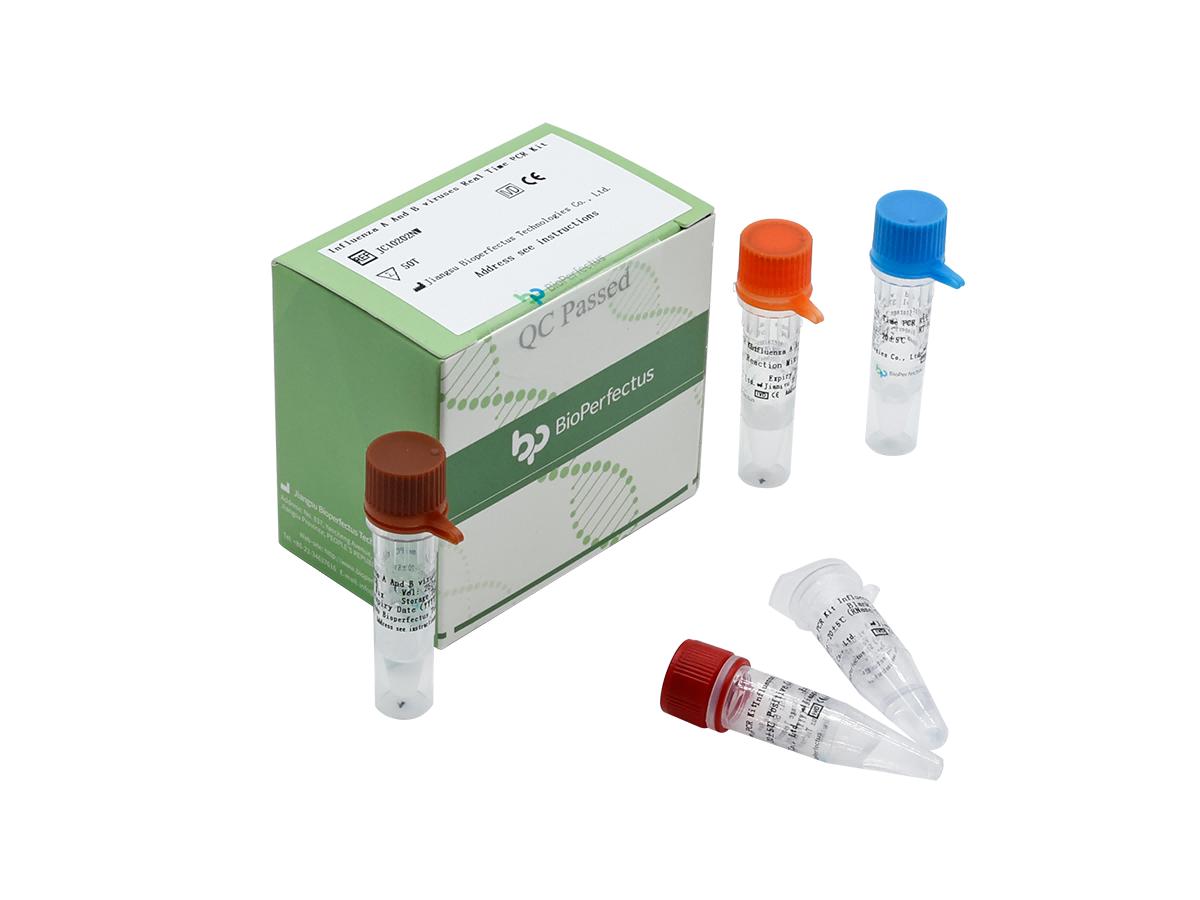
Implementing the Influenza A and B Viruses Real-Time PCR Kit empowers molecular facilities to achieve precise viral differentiation with high analytical confidence. BioPerfectus continues to support clinical virology laboratories by providing scalable detection tools backed by rigorous quality management systems.
Integrating these advanced molecular solutions ensures optimal patient outcomes and robust epidemiological surveillance throughout every demanding respiratory season.
Final clinical validation confirms that selecting between single-target platforms and comprehensive syndromic assays depends heavily on facility capacity and patient demographics.
Utilizing a targeted PCR test for flu during peak incidence weeks ensures rapid reporting of primary circulating strains without excessive reagent consumption. Careful molecular assay selection remains the cornerstone of effective respiratory infection management across diverse healthcare clinical settings.